01
Software engineering
Application development from requirements analysis through architecture, implementation, testing and release, using languages and frameworks selected for the problem rather than for fashion.
Information technology company
ARGYRIA LIMITED designs, builds and maintains software, cloud and data systems. We work with engineering teams and business owners on the parts of technology that have to keep running: integrations, pipelines, platforms and the applications built on top of them.

Positioning
Most technology problems inside an organisation are not caused by a missing feature. They come from systems that were assembled quickly, integrated informally and never documented. Our work starts by making the existing landscape legible.
From there we build deliberately. Each system we deliver comes with a described architecture, automated build and deployment, tests that reflect real behaviour, and the operational tooling required to run it without guesswork.
Four practices, one delivery model
01
Application development from requirements analysis through architecture, implementation, testing and release, using languages and frameworks selected for the problem rather than for fashion.
02
Design and operation of cloud environments: networking, compute, storage, identity, infrastructure as code, deployment automation and cost-aware resource planning.
03
Ingestion pipelines, storage models, transformation layers and reporting foundations that make operational data consistent, documented and usable.
04
Connecting internal systems and third-party platforms through APIs, messaging and event flows, with clear contracts, retries and observability.
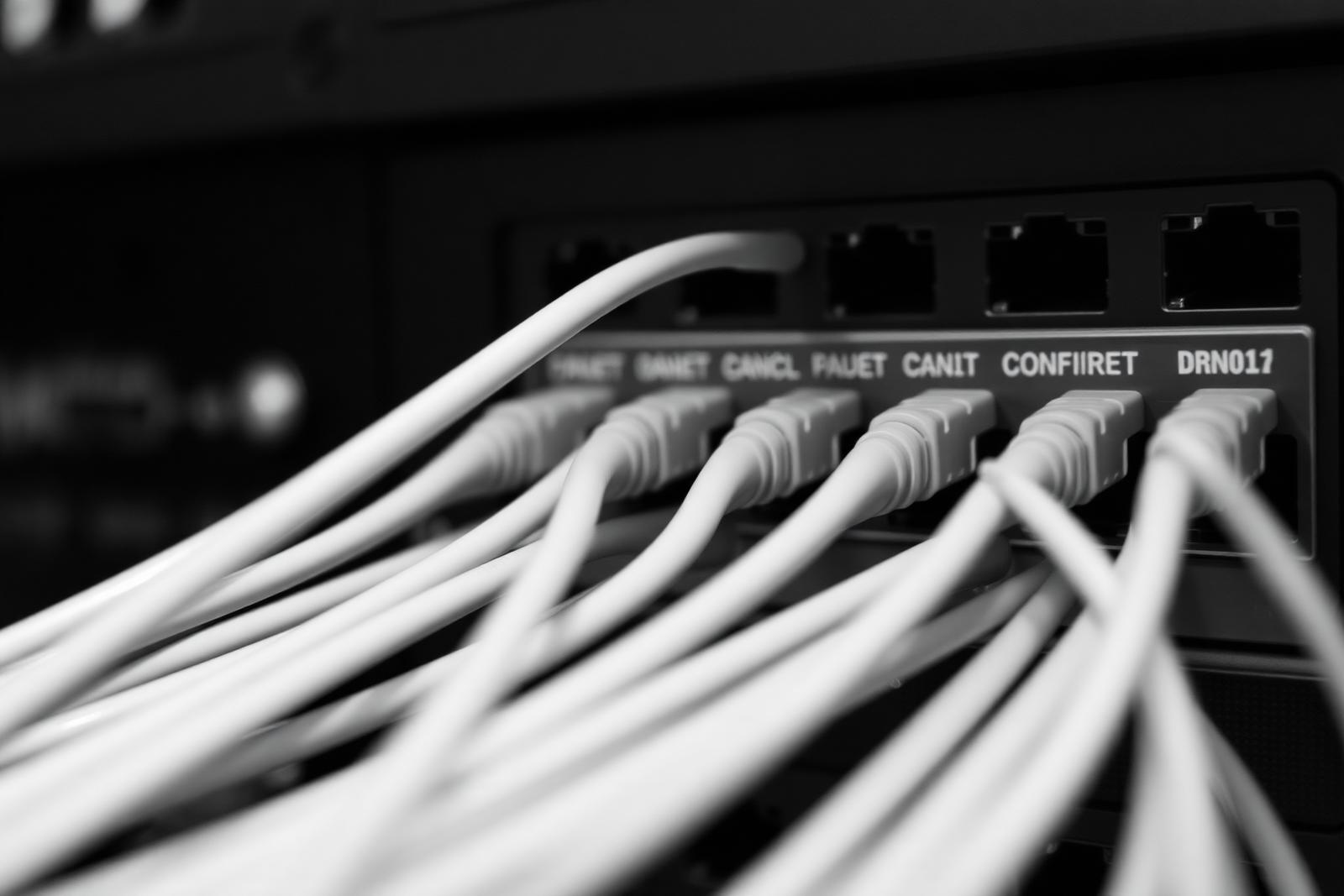
Networks, environments and pipelines carry the same weight as application code. We define them in version-controlled configuration, review them like code, and rebuild them from source rather than from memory.
Services
Engagements are scoped around a defined outcome and a defined system. A full description of each service, the problems it addresses and how delivery is organised is available on the services page.
Applications and internal tools designed around a specific operational process.
Browser-based systems with accessible interfaces and documented APIs.
Environment design, migration planning, infrastructure as code and automated deployment.
Reliable data exchange between internal systems and external platforms.
Pipelines, warehouse models and reporting layers with defined semantics.
Reviews of access control, dependencies, secrets handling and network exposure.
Incremental replacement of legacy components without halting operations.
Architecture guidance, code review and ongoing maintenance of delivered systems.
Four stages
01
We map the current systems, constraints, data flows and stakeholders, and write down what the work must achieve in measurable terms.
02
We propose a technical design with explicit trade-offs: hosting model, data ownership, integration points, security boundaries and operational effort.
03
Work proceeds in short increments with reviewable output. Code review, automated tests and continuous integration are part of the definition of done.
04
Monitoring, logging, alerting and documentation are handed over with the system, together with the runbooks needed to maintain it.
Principles
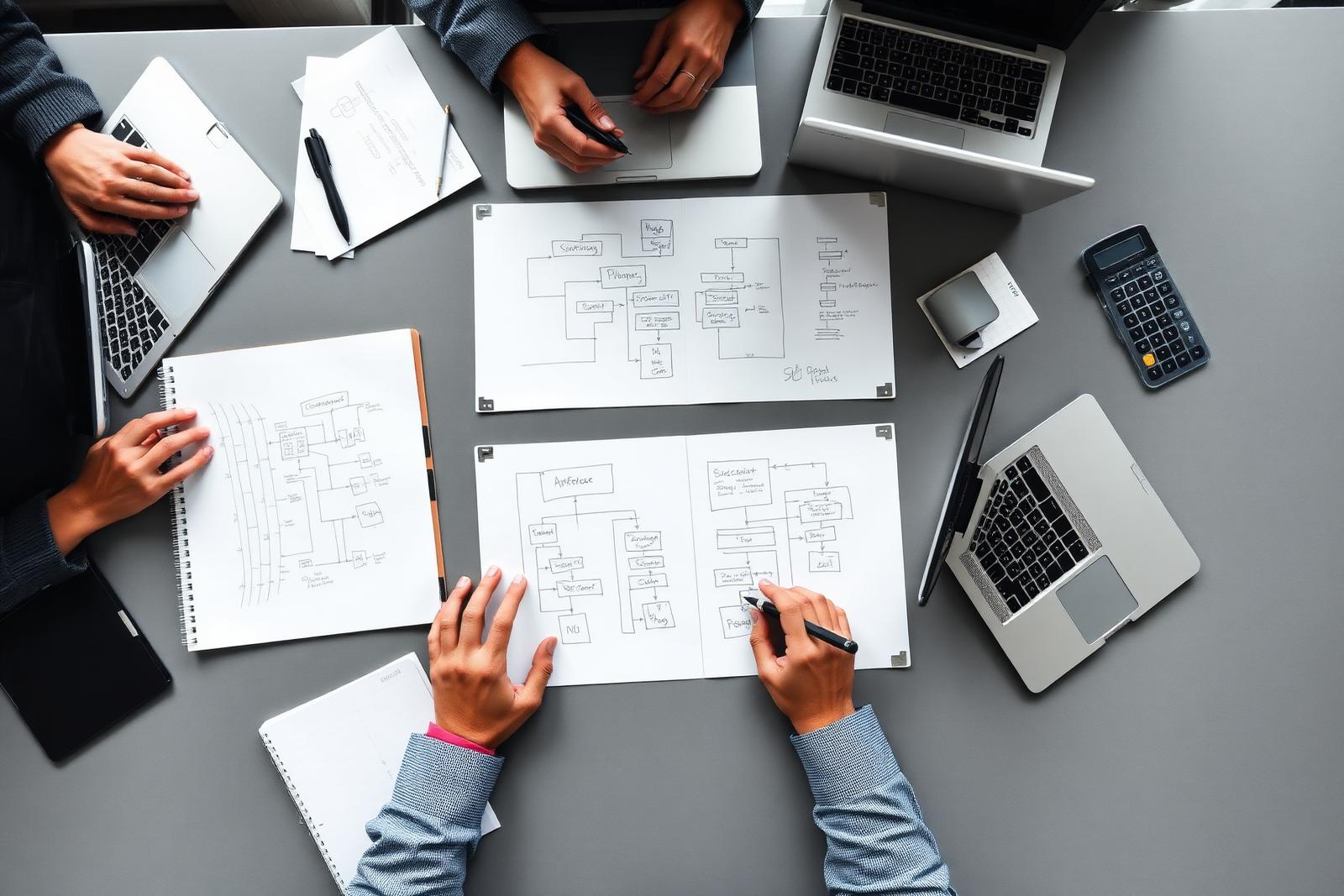
01
Applications that still carry critical processes but resist change, lack tests, or depend on unsupported runtimes.
02
Tools that hold overlapping data and require manual reconciliation between departments.
03
Numbers that differ depending on which export they came from, with no shared definitions behind them.
04
Environments that grew without structure, tagging or ownership, making spend difficult to attribute.
05
Deployments that require manual steps, out-of-hours windows and a specific person to be available.
06
Dependencies, secrets and permissions that have never been inventoried or reviewed against a policy.

Quality, security, reliability
Unit, integration and regression tests run automatically on every change, and failures block release.
All code and infrastructure changes pass peer review before they reach a shared environment.
Dependency scanning, secret management, scoped credentials and encrypted transport are treated as baseline requirements.
Backup, restore and failure paths are designed and exercised, not assumed.
About
We are an information technology company working across software development, cloud infrastructure, data systems and security practice. Our engagements are technical and specific: a system to build, a platform to stabilise, a migration to plan, an integration to make reliable.
We describe what we do and how we do it, and we avoid claims we cannot support. A fuller account of our mission, operating principles and approach to technology is on the about page.

Contact
Full contact details are listed on the contacts page.